


The quick answer
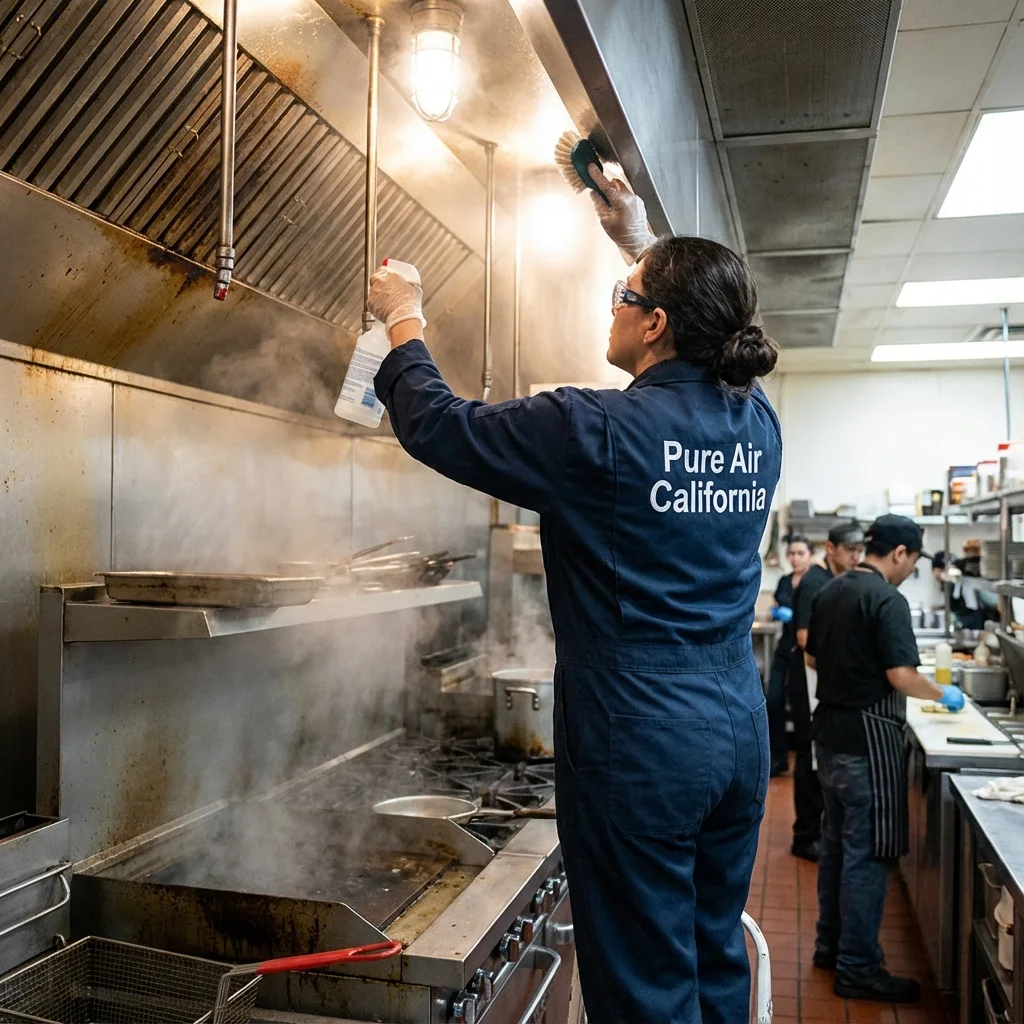
Restaurant HVAC ducts and cooking exhaust serve different purposes. Identify which system needs attention before comparing estimates or assuming a single cleaning visit covers both.
Name the system in the quote
Dining-room heating and cooling ductwork is separate from the hood, grease duct and exhaust equipment serving cooking operations. NFPA 96 addresses ventilation control and fire protection for commercial cooking. Ask the responsible local authority and qualified provider which requirements apply to your operation. NFPA 96: commercial cooking ventilation.
Plan access around food service
Tell the contractor which areas remain in use and who coordinates kitchen access. Discuss equipment protection, loading, roof access and the condition in which the work area must be returned. Confirm the work window rather than assuming that an overnight appointment is available.
Review what the record actually proves
A ventilation-cleaning invoice does not automatically represent a hood inspection or a fire-protection certification. Ask for the documentation associated with the specific work ordered. Keep separate records for distinct systems and contractors so future maintenance decisions remain clear.
A local HVAC project example
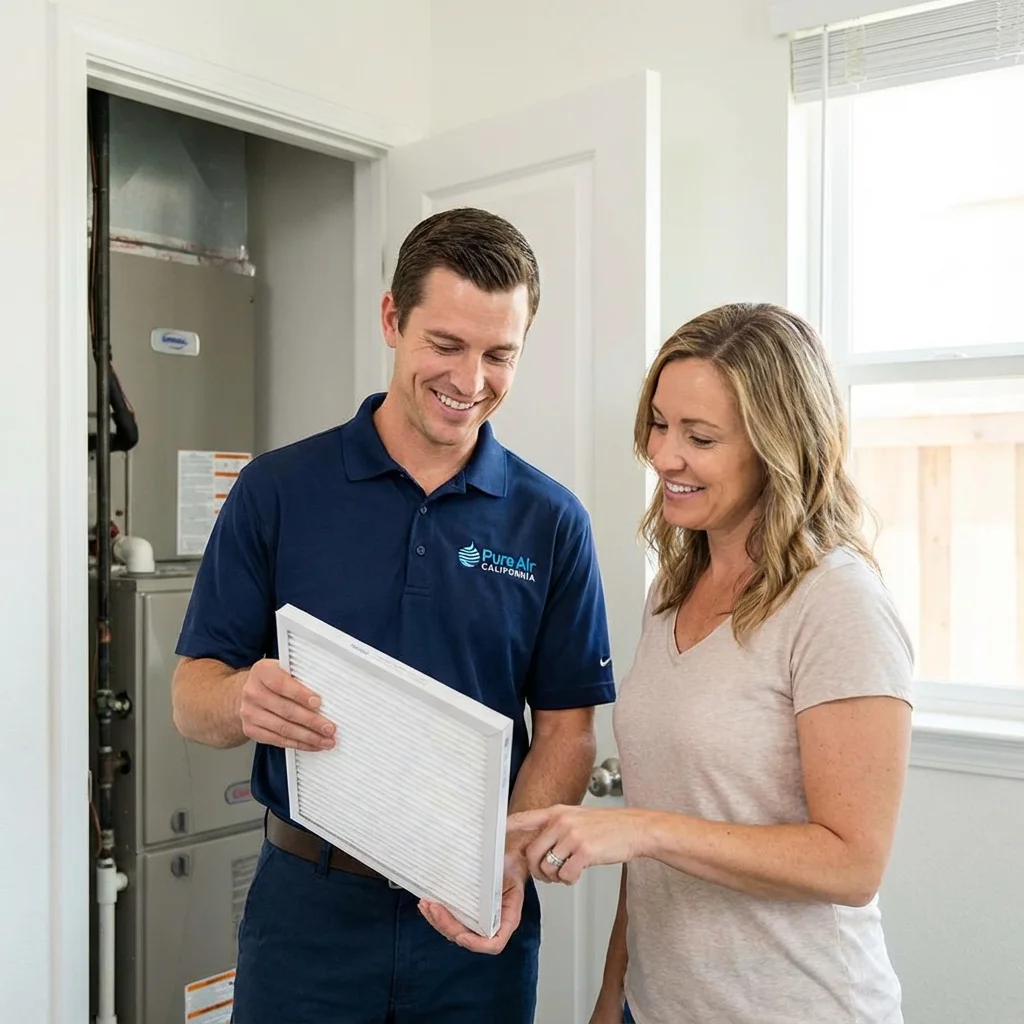
PAC’s November 2024 record for one Canoga Park Taco Bell location lists ventilation, plenum, blower and coil work. It is an example of restaurant HVAC scope, not evidence of a chain-wide contract or hood-system certification.
See the Canoga Park project scope →
Plan your next step
Explore the related PAC service or guide, or call (213) 792-4145 to discuss the property, equipment and access.
Further reading
Ready to Take Action?
Separate kitchen exhaust and HVAC service requirements.