


Individual residences
Identify accessible unit equipment and the permissions needed to enter occupied homes.
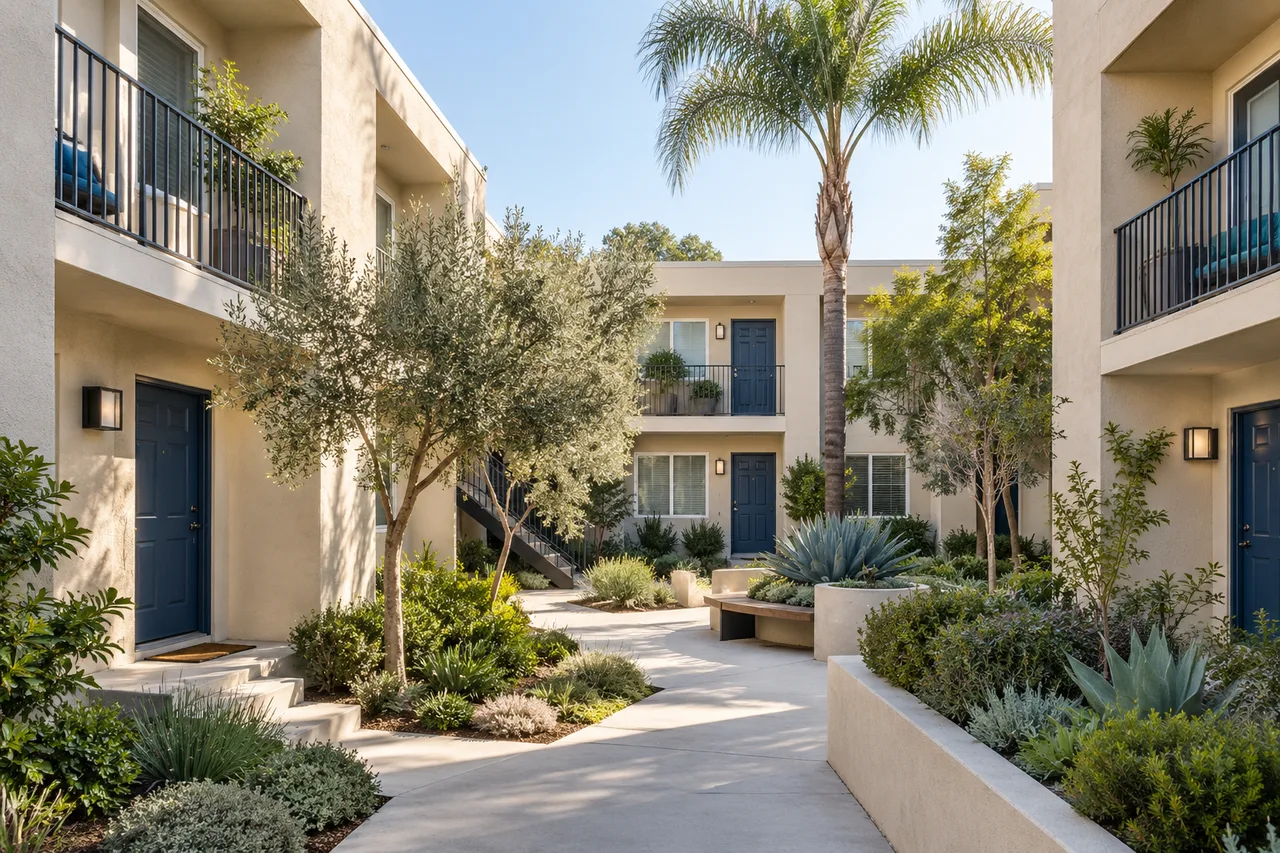
Different front doors. The same need to feel at home.
Coordinate duct and dryer-exhaust care across apartments, shared spaces and managed properties with a clear plan for residents and building teams.
Prepare resident notices, unit-access permissions and a plan for missed appointments. Group work only after individual and shared systems have been identified, and establish how additional findings reach the manager.
Identify accessible unit equipment and the permissions needed to enter occupied homes.
List common-area HVAC and laundry exhaust separately, including roof terminations and any access restrictions.
Agree on notifications, unit schedules, missed-access handling and records the manager needs for each completed area.
Individual dwelling equipment, common HVAC and shared dryer exhaust may have different ownership. Unit count alone does not define system count or the final price.
Share the building ZIP code, system list and authorized contact so the proposed work fits your responsibility.
Identify who can approve the estimate and any additional work. Separate owner, HOA and resident responsibilities before combining individual and common-area systems into a proposal.
Discuss resident notices, keys or escorts, occupied units and restricted work hours. Confirm the sequence and availability with PAC; record any missed access for follow-up.
Agree what the completion record should identify: serviced systems or units, inaccessible areas and findings that need a separate decision. Request any photo or invoice requirements when the scope is prepared.
The 2026 West Hollywood Community Housing Corporation record identifies four HVAC systems in its office. It offers a concrete example of component lists and access planning; it describes office work, not cleaning every residential property managed by the organization.
Read the recorded office scopeCoordinate the people, access and records before the proposed work is scheduled.
Share your location, property type, service concern and system count if known. Tell us about restricted access, rooftop equipment or shared systems. Ask whether an inspection or site visit is needed before a final scope can be prepared.
Identify who can approve the estimate and additional work. Coordinate keys, escorts, resident notices and permitted work hours with your property team. Confirm access and the schedule with PAC.
Use the written estimate to identify the systems and components covered. Repairs, remediation and additional services require a separate scope when applicable. Suspected moisture, mold or damaged materials may need further assessment rather than routine cleaning.
Read the pricing & scope guideAgree your documentation needs before work begins: systems or areas serviced, inaccessible components and findings needing follow-up. Ask about photographs and invoice requirements for your project. Keep the records with your maintenance information.
We discuss access, scheduling and work-area requirements before the visit. The plan should fit your equipment and the people who use the building.
Unit list and individual versus common systems
Prepare resident notices, unit-access permissions and a plan for missed appointments. Group work only after individual and shared systems have been identified, and establish how additional findings reach the manager.
Individual dwelling equipment, common HVAC and shared dryer exhaust may have different ownership. Unit count alone does not define system count or the final price.
Choose a business type and your service area for a practical plan around your building.
54 service areas for property managers & hoas
Share the systems, access requirements and concerns you want to address. We’ll discuss the cleaning scope, scheduling and completion records before you decide to proceed.
Tell us a little about your space. We’ll help you work out the next step. No obligation.

Now notice the one you are taking.
Relax your shoulders. Follow the gentle rhythm, or breathe naturally at your own comfortable pace.
Behind every space are people. Behind our work is care for the air they share.
Why we care about every breathLet your shoulders soften.
0 / 78 seconds