
The quick answer
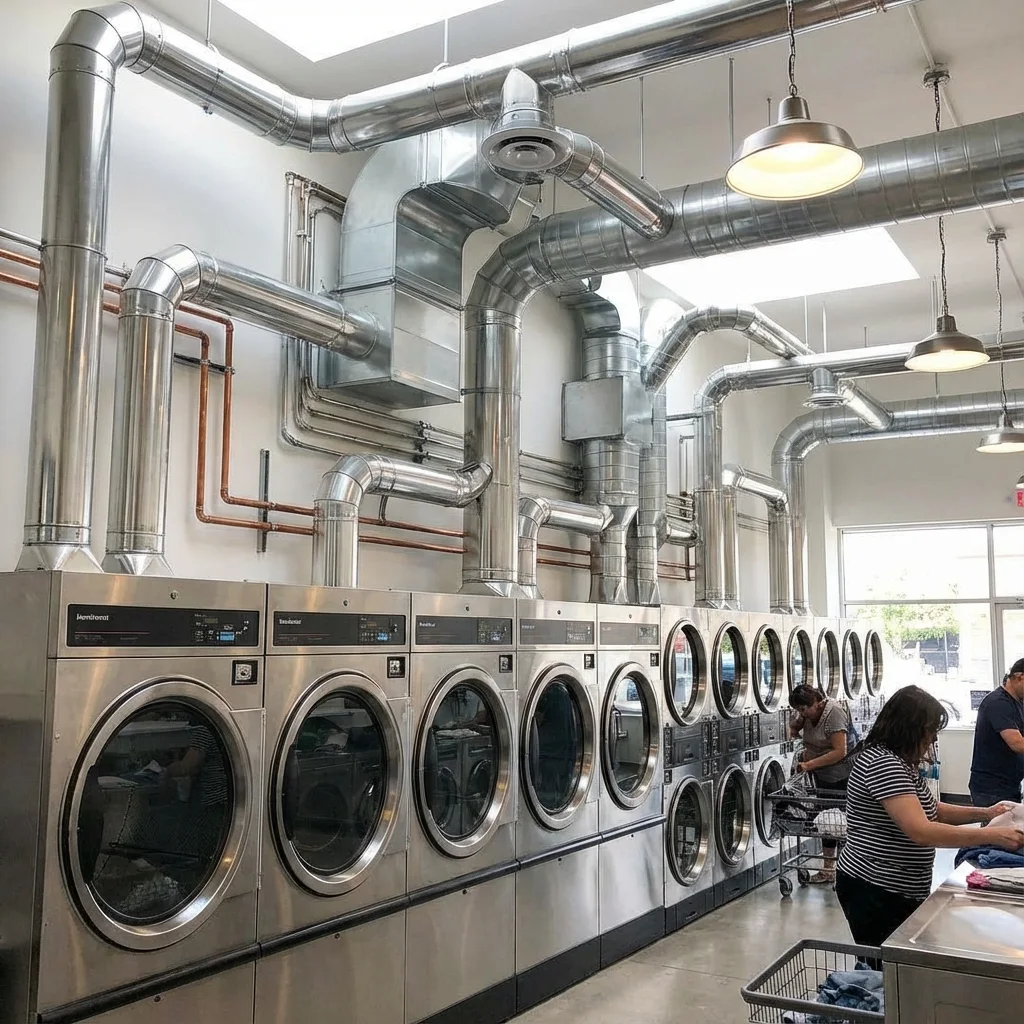
A laundromat’s dryer-exhaust scope should be based on its machines, exhaust layout and access. A row of dryers may involve individual runs, shared components or equipment that needs specialized coordination.
Map machines to exhaust paths
Create a machine list and note what is known about each exhaust connection. Supply existing drawings where available and identify outlets that are difficult to reach. Ask the provider to confirm the actual arrangement before finalizing a price. Do not assume that machine count equals the number of separate exhaust runs.
Separate daily tasks from duct service
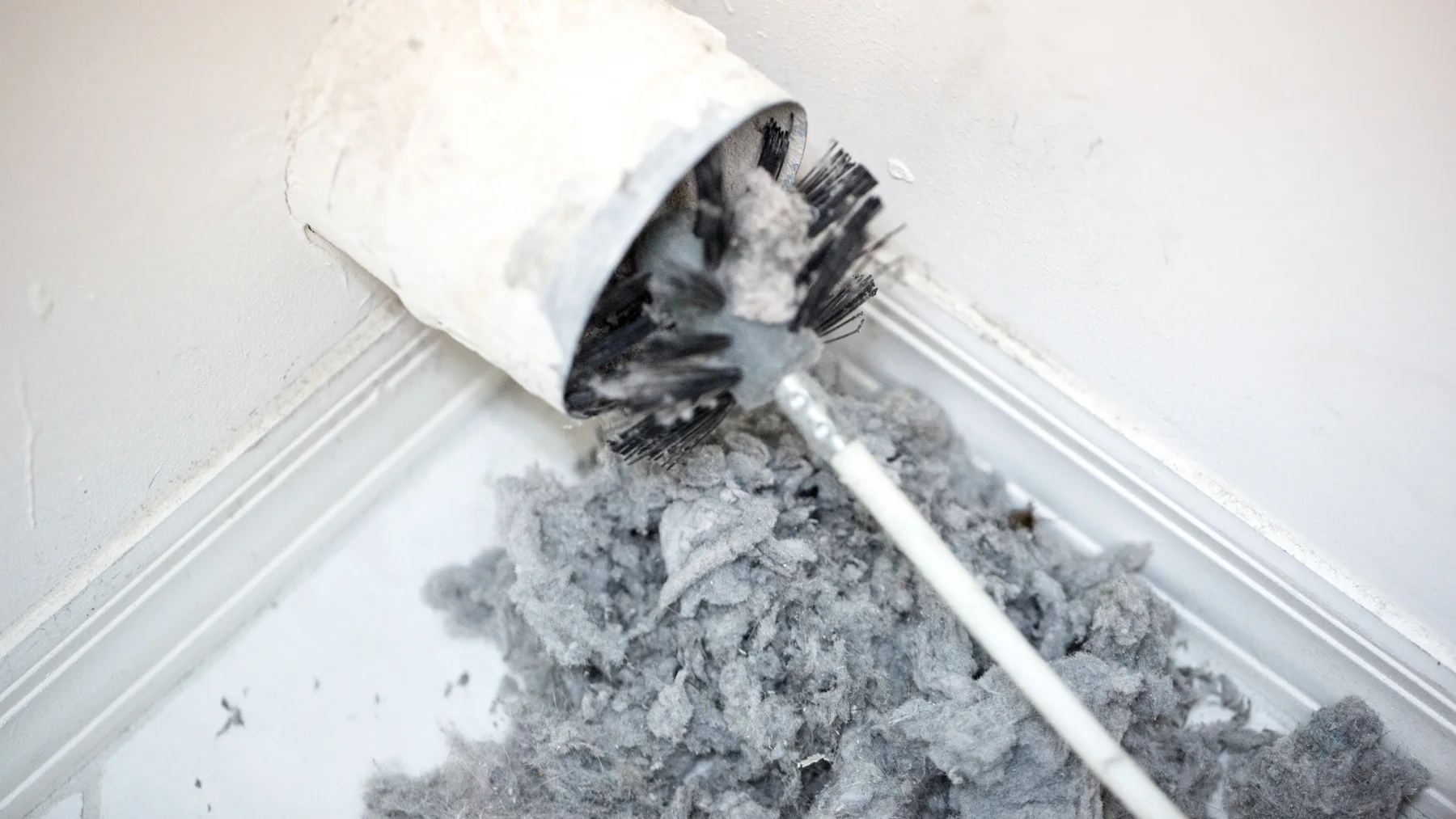
Daily lint-screen care and periodic exhaust assessment are different responsibilities. Establish an operator routine from the equipment instructions and agree on the contractor’s work separately. Fire-safety guidance for dryers emphasizes lint removal and keeping exhaust paths clear; commercial equipment still needs its own manufacturer guidance. USFA: clothes dryer fire safety.
Plan a practical service window
Discuss whether work can be phased and how machines will be taken out of use. Confirm who reconnects equipment and authorizes its return to service. Customer notices, access to roof outlets and loading arrangements should be settled before the crew arrives.
Keep useful maintenance records
Record the machines and exhaust sections covered, access limitations and follow-up issues. If drying performance remains poor, arrange an equipment or installation assessment rather than assuming another cleaning is the answer.
- Machine and exhaust identifiers
- Approved work window
- Access and isolation contacts
- Areas included and excluded
- Maintenance notes after the visit
Plan your next step
Explore the related PAC service or guide, or call (213) 792-4145 to discuss the property, equipment and access.
Further reading
Ready to Take Action?
Plan a dryer exhaust cleaning scope for your laundromat.